
.png)
What the Decision Actually Turns On
African project corridors—whether in mining, energy, or large-scale infrastructure—demand project-critical mobile equipment that can withstand harsh site conditions, unpredictable climates, and complex cross-border logistics. The core procurement decision hinges on three non-negotiable factors:
- Supplier Credibility and Product Quality: Unproven suppliers introduce unacceptable risk. The equipment must demonstrate reliability in comparable environments and be backed by robust aftersales support.
- Route Strength and Delivery Control: African cross-border logistics present unique challenges: customs bottlenecks, port delays, and variable security. Manufacturing origins with direct, established logistics ties to Africa and proven delivery partners reduce the risk of costly disruptions.
- Procurement Discipline and Buyer-Side Clarity: The ability to clearly control costs, delivery schedules, and documentation is critical. Countries with established export processes to Africa provide more predictable procurement outcomes and reduce ambiguity for project teams.
Ignoring these criteria can lead to project delays, unplanned expenses, and costly equipment downtime—outcomes no disciplined procurement manager can afford.
How the First Route Performs
Japan and Western Europe (notably Germany and Sweden) remain the benchmark for premium earthmoving equipment. Brands such as Komatsu, Caterpillar (US/Germany), Volvo Construction Equipment, and Liebherr set the standard for durability, advanced engineering, and global support.
Strengths:
- High Supplier Credibility: These manufacturers offer proven, project-critical equipment engineered for extreme conditions, with extensive dealer and service networks in key African regions.
- Delivery Control: Their mature export channels and long-standing logistics relationships with African ports enable smoother customs clearance and lower risk of transit disruption.
- Lifecycle Value: Higher upfront costs are offset by longer equipment life, superior resale value, and consistent parts availability, resulting in lower total cost of ownership.
Weaknesses:
- Upfront Cost: Premium pricing can pressure project budgets, particularly when compared to newer market entrants.
- Lead Times: High global demand and custom configurations can extend delivery windows, which may not suit urgent project timelines.
How the Alternative Route Performs
China and India have rapidly expanded their presence in African project equipment supply. Brands like XCMG, SANY, LiuGong (China), and JCB, Tata Hitachi (India) offer a wide range of machines, often at significantly lower acquisition costs.
Strengths:
- Cost Competitiveness: Lower purchase prices free up capital for other project needs, a strong advantage for budget-constrained projects.
- Expanding Local Networks: Chinese and Indian OEMs have grown their dealer and support presence, especially in East and West Africa (Business A.M).
- Flexible Supply: Shorter production cycles and greater inventory availability can reduce lead times for standard equipment models.
Weaknesses:
- Variable Supplier Credibility: Product quality and durability vary widely; buyers must rigorously vet suppliers and insist on clear aftersales terms.
- Delivery Risks: Although logistics links are improving, customs and documentation for equipment from these origins can face scrutiny or unexpected delays. Shifting trade regulations—such as US bans or tariffs—can introduce further unpredictability (Business Insider Africa).
- Lower Resale Value: These machines often depreciate faster and may be less attractive in secondary markets, affecting lifecycle economics.
How to Choose More Deliberately
For African project corridors where equipment uptime, predictable delivery, and robust aftersales support are business-critical, Japanese and Western European manufacturers offer the greatest assurance of supplier credibility and delivery control—albeit at a premium.
Conversely, when capital constraints are severe, project timelines are flexible, and the buyer has strong in-house technical resources, sourcing from China or India can unlock savings but requires a heightened focus on supplier vetting, contractual clarity, and logistical oversight.
Summary for Procurement Teams:
- Prioritize Japanese/Western European equipment when project reliability, lifecycle value, and delivery certainty are paramount.
- Consider Chinese/Indian equipment when upfront savings are essential and internal capacity exists to manage supplier and delivery risks.
A commercially disciplined sourcing and delivery partner such as TerraSource Africa can help procurement teams navigate these trade-offs, ensuring project-critical mobile equipment arrives on time and to specification—no matter the origin.
Sources
Read next
Related posts
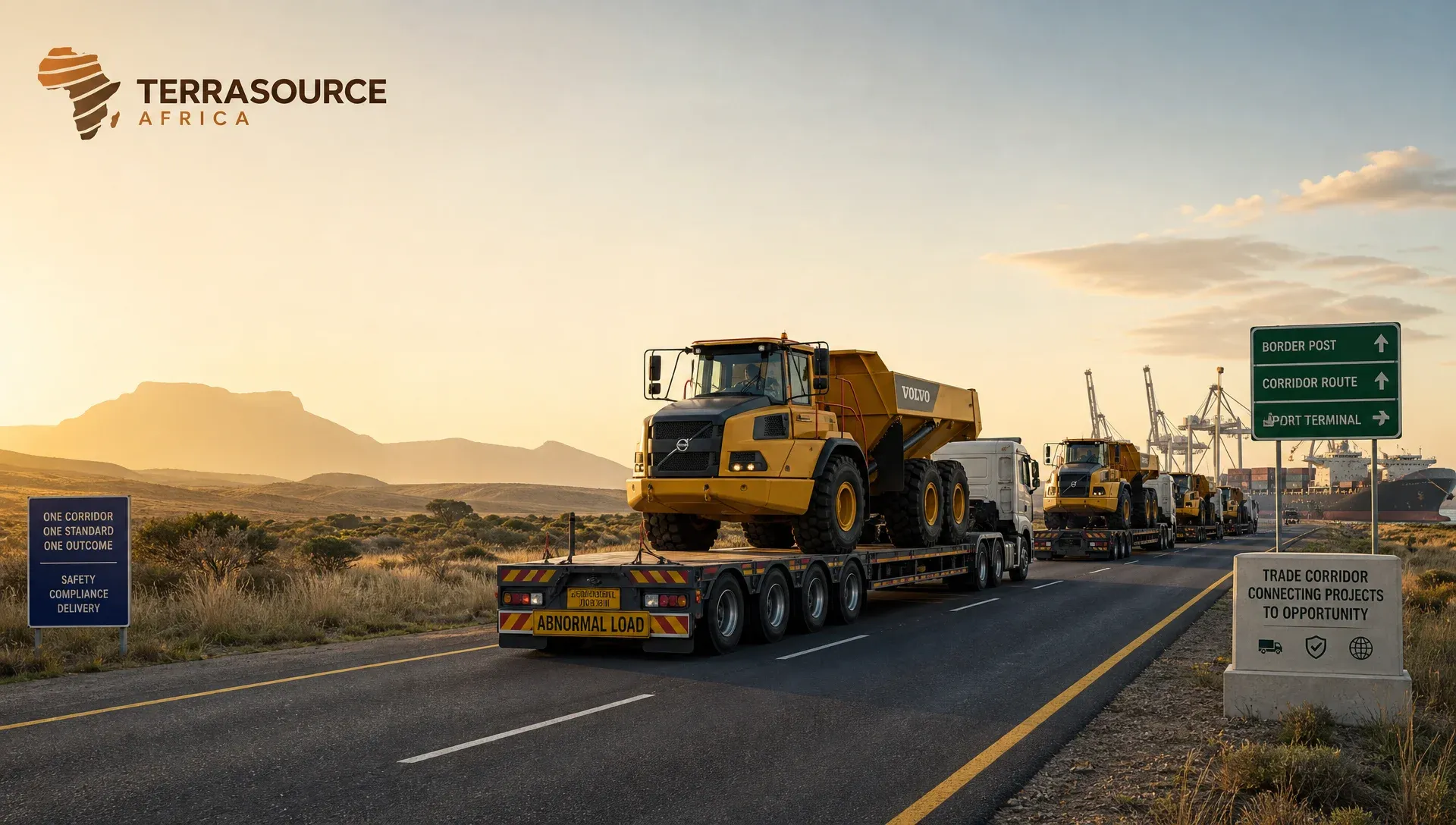
Top Earthmoving Equipment Manufacturing Countries for African Projects
A criteria-led comparison of earthmoving equipment manufacturing countries for African projects. Analyze established OEM hubs (USA, EU, Japan) vs. emerging routes (China, India, Turkey) for cost, support, and delivery.
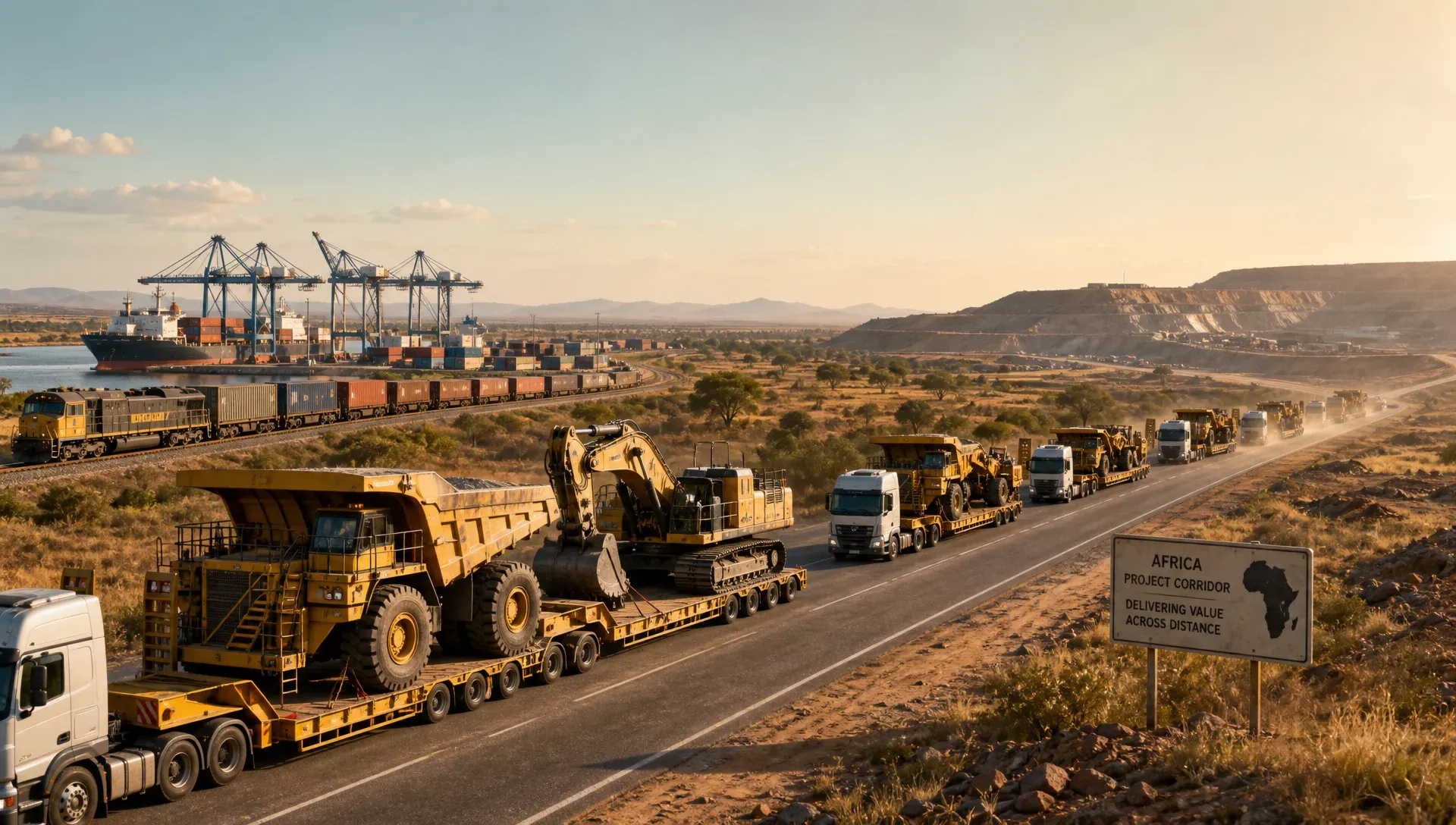
Hard-Rock Underground Mining Buyers Should Compare Carefully
A commercially disciplined comparison of hard-rock underground mining and large-scale open-pit mining for African projects: mobile equipment needs, delivery risks, and strategic procurement insights for sourcing managers.
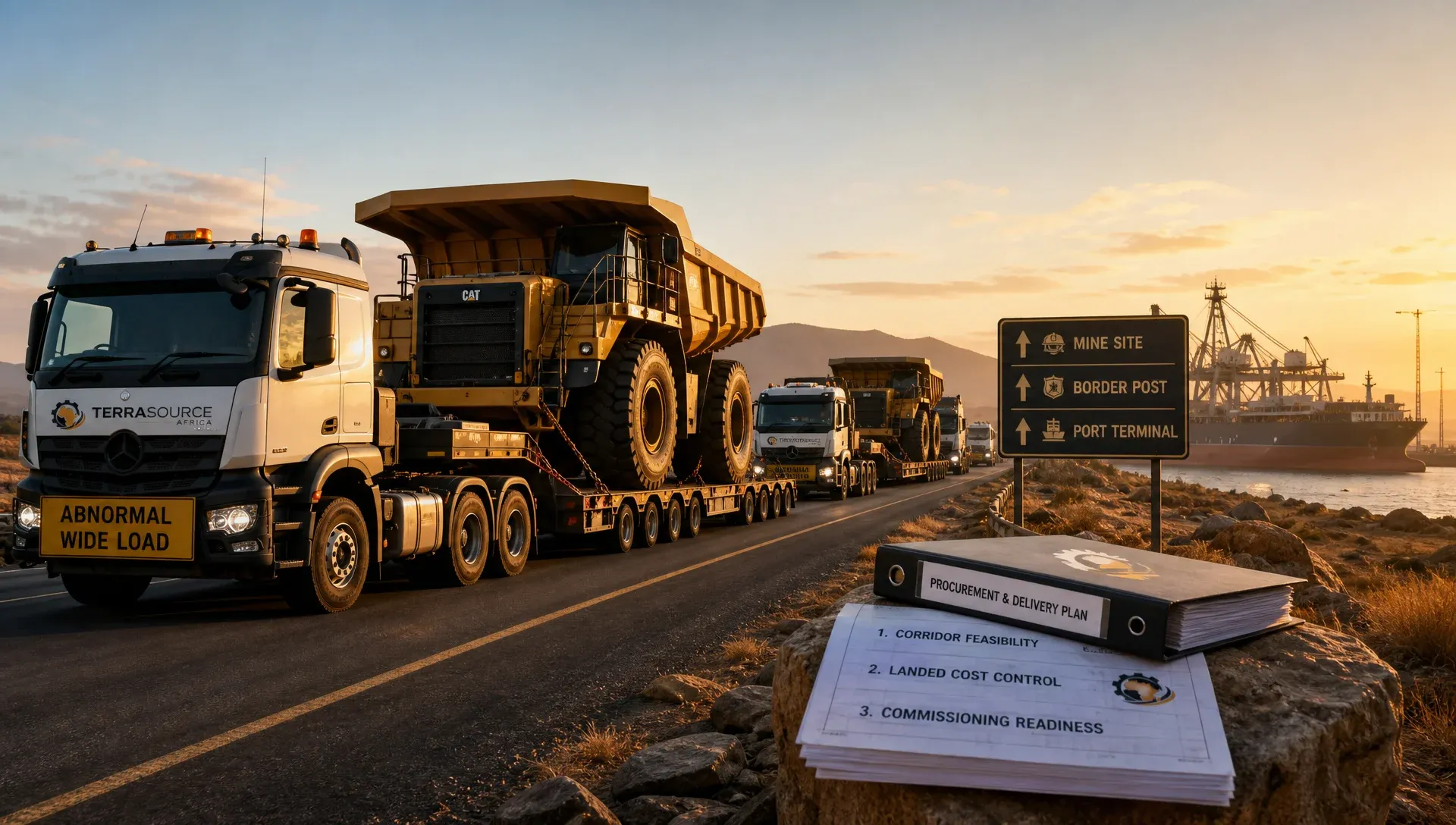
Beyond Unit Price: 3 Procurement Levers Mine Operators Must Control in Africa
Stop letting procurement's unit-price focus derail your mining schedule. Discover the three operational levers mine operators must control to manage corridor risk, guarantee delivery, and own total landed cost in Africa.